

Cushion Cut Diamonds: Complete Guide to Shape, Sparkle, Value & Buying Tips
Learn everything about cushion cut diamonds, including sparkle, proportions, pricing, settings, pros and cons, and expert advice on choosing the perfect stone
Originally developed over 200 years ago, the cushion cut has evolved significantly, with modern versions offering exceptional brilliance while retaining the romantic character that made the shape famous. Today, cushion cut diamonds are chosen by buyers looking for a balance of sparkle, vintage charm and excellent value.
In this guide, we'll explain everything you need to know about cushion cut diamonds, including their history, proportions, sparkle, pricing, advantages, disadvantages and how to choose the best cushion cut diamond for your jewellery.
What Is a Cushion Cut Diamond?
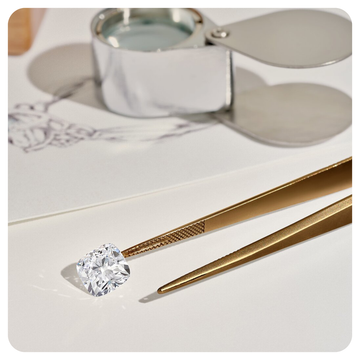
A cushion cut diamond features a square or rectangular outline with gently rounded corners, resembling a pillow or cushion.
Modern cushion cuts typically contain between 58 and 64 facets, designed to maximise light return and brilliance. While traditional cushion cuts display larger, chunkier flashes of light, modern cushion brilliant cuts are engineered for increased sparkle.
Key characteristics include:
- Rounded corners
- Soft square or rectangular shape
- Excellent brilliance
- Romantic appearance
- Vintage-inspired design
Because of its versatility, the cushion cut works well in both classic and contemporary jewellery settings.

Types of Cushion Cut

Cushion Brilliant Cut
The cushion brilliant cut is designed to maximise sparkle through larger, well-defined facets that reflect light in bold flashes. This style typically produces a balanced combination of brilliance (white light) and fire (coloured flashes), making it one of the most sought-after cushion cut variations.
Many buyers prefer cushion brilliant diamonds because they offer a classic, timeless appearance while delivering exceptional light performance. The facet pattern is usually easy to distinguish, creating a crisp and organised look rather than a scattered sparkle effect.

Cushion Modified Brilliant Cut
The cushion modified brilliant cut is the most common type of cushion diamond found today. It features additional facets beneath the table, which increase the number of light reflections within the stone.
These extra facets create a more intricate sparkle pattern and can make the diamond appear particularly lively. Cushion modified brilliant diamonds are available in both square and elongated proportions, offering plenty of flexibility for different ring styles and personal preferences.

Crushed Ice Cushion Cut
A crushed ice cushion cut is a variation of the modified brilliant design that produces a unique sparkle pattern resembling crushed ice. Instead of larger, distinct flashes of light, the diamond displays many smaller reflections that shimmer across the surface.
Some buyers love the intense sparkle and modern appearance of crushed ice cushions, while others prefer the larger, more defined flashes seen in brilliant-cut cushions. Choosing between the two is largely a matter of personal taste.

Old Mine Cushion Cut
The old mine cushion cut is inspired by diamonds cut during the 18th and 19th centuries. These stones feature a softer, more romantic appearance, with larger facets and a distinctive vintage character.
Unlike modern cushion cuts, old mine cuts prioritise charm and individuality over maximum brilliance. Their broad flashes of light and antique aesthetic make them a popular choice for vintage-inspired engagement rings and heirloom-style jewellery.
Which Cushion Cut Is Best?
There is no single "best" cushion cut diamond. The ideal choice depends on the look you prefer:
- Choose a cushion brilliant for larger, bolder flashes of light.
- Choose a cushion modified brilliant for maximum sparkle and brilliance.
- Choose a crushed ice cushion for a modern, shimmering appearance.
- Choose an old mine cushion for vintage charm and character.
- Choose a square cushion for classic symmetry.
- Choose an elongated cushion for a larger-looking and more elegant silhouette.
When comparing cushion cut diamonds, it's always worth viewing images or videos of the individual stone, as two diamonds with similar specifications can display very different light performance and visual character.
Why Choose a Cushion Cut?
Beautiful Sparkle
Modern cushion brilliant diamonds produce exceptional light performance, offering a lively sparkle that rivals many of the most popular diamond shapes.
Timeless Appearance
Unlike trend-driven diamond shapes, cushion cuts have remained desirable for centuries, making them a classic choice.
Better Value
Cushion cut diamonds are often priced lower than comparable round brilliant diamonds, allowing buyers to maximise carat weight within their budget.
Versatile Design
Cushion cuts complement:
- Solitaire engagement rings
- Halo settings
- Hidden halo rings
- Three-stone rings
- Diamond earrings
- Diamond pendants
Pros and Cons
Advantages
Excellent brilliance and fire
Softer, romantic appearance
Strong durability due to rounded corners
Often better value than round diamonds
Suitable for many ring styles
Disadvantages
Quality can vary significantly between stones
Can appear smaller than some elongated shapes
Bow-tie effect may appear in some rectangular cushions
Requires careful selection of proportions
Proportions Guide
When choosing a cushion cut diamond, proportions play a major role in appearance and sparkle.
Recommended Depth
58%–68%
Recommended Table
55%–68%
Length to Width Ratio
Square Cushion
1.00–1.05
Rectangular Cushion
1.10–1.40
The ideal ratio depends entirely on personal preference.
Cushion Cut vs Oval Cut
Oval and cushion cut diamonds are both popular alternatives to the traditional round brilliant, but they create very different visual effects.
Oval diamonds tend to elongate the finger and often appear slightly larger for their carat weight due to their stretched shape and greater surface area. Cushion cuts, on the other hand, offer a softer, more symmetrical look with rounded corners, giving a timeless and balanced feel.
Both are elegant choices — the main difference comes down to whether you prefer a sleek, lengthened appearance (oval) or a classic, softly rounded shape (cushion).

Best Settings for Cushions
Solitaire Rings
A solitaire setting allows the cushion cut diamond to take centre stage.
Halo Rings
Halo settings enhance perceived size and increase overall sparkle.
Hidden Halo Rings
A hidden halo adds extra brilliance without changing the face-up appearance.
Three Stone Rings
Three stone designs highlight the cushion cut while adding symbolism and presence.
Are Cushions Good Value?
Yes. Cushion cut diamonds are often considered one of the best value-for-money diamond shapes available.
Their cutting process generally preserves more of the original rough diamond compared to round brilliant cuts, which means less material is lost during shaping. This improved yield helps reduce overall cost, while still maintaining strong brilliance and visual appeal.
Despite being more efficient to produce, cushion cuts still offer excellent sparkle, fire, and character when well cut, making them a popular choice for buyers who want both beauty and value.
For those looking to maximise visual impact within a set budget, cushion cuts are often an especially strong option without compromising on elegance or presence.

History of the Cushion Cut Diamond
The cushion cut traces its origins to the Old Mine Cut, one of the earliest diamond cutting styles developed during the 18th century.
Before modern cutting technology existed, craftsmen shaped diamonds by hand, creating larger facets and softer outlines. Over time, advances in cutting techniques transformed the old mine cut into the modern cushion cut we know today.
The result is a diamond shape that combines historical character with contemporary brilliance.
Frequently Asked Questions
Are cushion cut diamonds popular?
Yes. Cushion cuts are one of the most popular fancy diamond shapes due to their timeless look, romantic feel, and strong brilliance in both modern and vintage-inspired designs.
Do cushion cut diamonds sparkle?
Modern cushion brilliant diamonds offer excellent sparkle and fire, making them one of the brightest fancy diamond shapes.
Are cushion cut diamonds good for engagement rings?
Yes. Cushion cuts are a very popular choice for engagement rings due to their elegant shape, soft corners, and timeless appeal that suits both modern and classic settings.
Are cushion cut diamonds more expensive?
Generally, cushion cut diamonds cost less than comparable round brilliant diamonds.
What is the best ratio for a cushion cut diamond?
A square cushion typically falls between 1.00 and 1.05, while rectangular cushions usually range between 1.10 and 1.40.
Do cushion cut diamonds look bigger?
Cushion cuts can appear slightly smaller than elongated shapes such as oval or marquise diamonds of the same carat weight.
Which is better: cushion cut or old mine cut diamond?
Neither is objectively better — it depends on preference. Cushion cuts offer more sparkle and consistency, while old mine cuts offer a more vintage, romantic, and character-rich appearance.
What is the difference between cushion cut and old mine cut diamonds?
Cushion cuts are more modern with refined proportions and better symmetry, while old mine cuts are antique diamonds with chunkier facets, a higher crown, and a softer, candlelight-style sparkle. Old mine cuts are more irregular and vintage in character.
Why are old mine cut diamonds becoming popular again?
Old mine cuts are trending because buyers are increasingly drawn to antique, unique-looking diamonds with less “perfect” symmetry and a more organic, vintage feel.
What are the alternative names for a Cushion Cut Diamond?
A Cushion Cut Diamond is often described as a pillow shaped diamond because of its square or rectangular outline, rounded corners and softly curved sides.
Lab Grown Cushion Diamonds
Explore our collection of IGI certified Lab Grown Cushion Cut diamonds and select the exact stone and specification that suits your requirements. Available in a wide range of carat weights, colours and clarity grades, they offer exceptional brilliance and excellent value for engagement rings, bespoke designs and fine jewellery.
Search Natural Cushion Diamonds
Explore our selection of GIA certified Natural Cushion Cut loose diamonds, available in a wide range of carat weights, colours, clarity grades and prices. Use our diamond search to compare available stones and find the perfect centre diamond for an engagement ring, bespoke piece or fine jewellery design.